Understanding the UK's Retail Banking Market Study

Why the FCA Studies the Retail Banking Market
The FCA conducts market studies to assess whether competition is working well for consumers. The retail banking market — current accounts, savings accounts, personal loans, and mortgages for individuals — is subject to periodic review given its scale and its fundamental importance to UK financial wellbeing.
Key Findings from Retail Banking Market Studies
FCA studies have consistently identified several structural issues in UK retail banking:
- Low consumer switching rates: Despite CASS, relatively few consumers switch banks each year — inertia favours incumbent banks
- Poor savings rate transparency: Consumers in legacy savings products often earn significantly less than available best rates without realising it
- Cross-subsidisation concerns: Banks sometimes subsidise "free" current accounts through overdraft charges and poor savings rates on the balances in those accounts
- Concentration risk: The Big Four banks dominate market share, limiting competitive pressure on pricing and innovation
What Changed as a Result
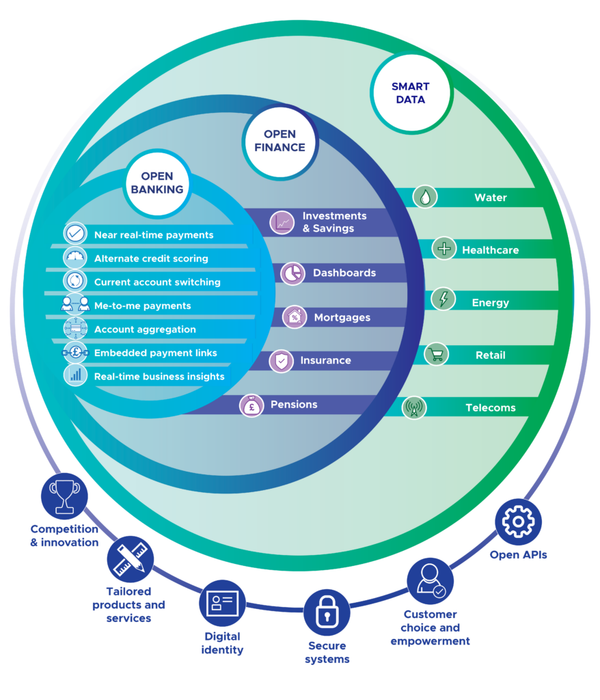
Market study outputs led directly to major reforms: the introduction of CASS (Current Account Switch Service) to reduce switching friction, Open Banking mandates that opened data to competing services, the 2020 overdraft reforms eliminating opaque fee structures, and enhanced savings rate transparency requirements.
The Ongoing Agenda
The FCA's current focus areas include savings rate fairness (banks passing on base rate increases to savers at the same speed they increase mortgage rates), the impact of digital banks on competition, and access to cash in rural and deprived communities following widespread branch closures.
Understanding that regulators actively monitor and intervene in retail banking gives consumers confidence that the market — while imperfect — is subject to meaningful accountability.